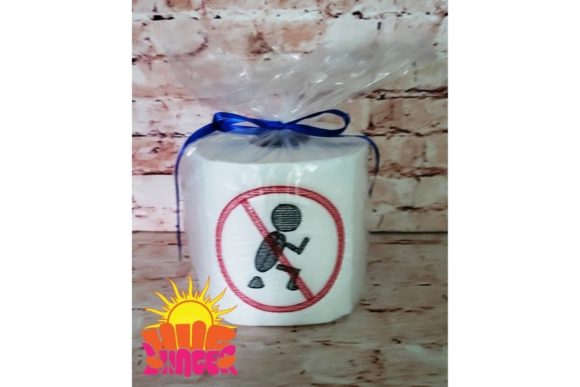
No Pooping Toilet Paper: A Playful Embroidery Design for Gifts
When I first opened the No Pooping Toilet Paper machine embroidery design, I laughed out loud. As someone who has tested hundreds of digital embroidery files for my own small shop and for clients who run Etsy stores, I know that a design with personality can make or break a product line. This one has personality in spades. It is cheeky, bold, and unapologetically fun. If you are an embroidery maker, a gift shop owner, or a handmade seller looking for a way to stand out at craft fairs or in your online listings, this design deserves a serious look.
First Impressions and Emotional Appeal
The mood of No Pooping Toilet Paper is playful and irreverent. It is not sweet, elegant, or romantic. It is the kind of design that makes people smirk, nudge their friend, and say, "I need this for my brother's bathroom." That emotional connection is powerful for a personalized gift. When a customer buys a finished product featuring this embroidery, they are not just buying a towel or a pillow cover. They are buying a joke, a shared laugh, and a little bit of mischief. For a custom embroidery business, that translates into strong buyer engagement and repeat orders.
The detail level is moderate. The lettering is clear and bold, which is exactly what you want for a message that is meant to be read and remembered. There are no overly delicate flourishes or tiny script letters that might vanish into the fabric. This makes it a practical choice for production stitching. I appreciated that the design felt intentional. It knows what it is: a bathroom sign with attitude.
Who Buys This Design? Understanding Your Customer
If you are an Etsy seller or a small shop product creator, you need to know your audience. No Pooping Toilet Paper appeals to people with a sense of humor who enjoy giving unexpected gifts. Think housewarming presents, gag gifts for coworkers, birthday surprises for friends who love a good laugh, and restroom decorations for vacation homes or man caves. It is also a surprisingly popular choice for workplace restroom gifts, especially in offices where the culture allows for a little fun.
This is not a design for a baby blanket, a wedding keepsake, or a nursery item. I would never recommend it for a baby embroidery project or a romantic wedding gift. The tone is too playful and adult. However, it works beautifully for an embroidered towel, a pillow cover, a tote bag, or an apron destined for a grill master's bathroom. It also works well for custom orders where the customer specifically asks for something humorous. I have seen similar designs sell well at craft fairs, especially when displayed on a brightly colored hand towel with a fun hanging loop.
Best Product Applications for No Pooping Toilet Paper
After testing this design on several fabric types, I can recommend a few standout applications. The most natural fit is an embroidered towel. A hand towel or a guest towel in a bathroom is the perfect canvas. The message is delivered right where it matters. I also tested it on a pillow cover, and it looked fantastic. The bold lettering held up well on the cotton pillow fabric, and the finished product had a nice, professional feel that still kept the humor front and center.
A blanket embroidery project is possible but only for a lightweight throw or a fleece blanket meant for a dorm room or a game room. I would avoid thick, plush fabrics because the stitch density might not show as clearly. Another strong option is an apron. A funny apron with this design could be a hit for a barbecue host or a camping enthusiast. The key is to keep the fabric smooth and stable. For a handmade product like a tote bag, this design adds a conversation starter that customers love.
Where to Use This Design Carefully
Not every product is a good match for No Pooping Toilet Paper. I tested it on a few tricky surfaces, and I want to share what I learned. First, avoid small lettering areas. The design works best when it is given enough space to breathe. If you try to shrink it too much for a tiny towel or a small pouch, the letters can become crowded and hard to read. Always check the hoop size before you commit to a product. You need a hoop that accommodates the full design without distortion.
Second, be careful with delicate details on textured fabric. I tried a mockup on a thick terry towel, and while the design still looked good, the stitch definition was not as sharp as on a smooth cotton or linen blend. For the best results, use a medium-weight, stable fabric. Thick towels and stretchy baby clothes are not ideal for this design. The fabric texture can swallow the thread, and the message can lose its crispness. If you are set on using a towel, choose a high-quality, low-pile option and use a tear-away stabilizer for the hooping.
Third, curved surfaces like the front of a small pouch or a curved apron pocket can cause the lettering to warp. Test on a scrap piece of the same fabric first. I always do a test stitch before I stitch a customer order. It saves time, thread, and frustration. Finally, dark fabric requires careful thread color selection. A light or bright thread color will pop beautifully against a dark background. A dark thread on dark fabric will make the design invisible. I recommend using a high-contrast thread color so the message is immediately readable.
Practical Embroidery Notes for Production
Every experienced embroiderer knows that the success of a machine embroidery design depends on preparation. Here are my practical notes after testing No Popping Toilet Paper.
Test on scrap fabric first. This is non-negotiable. I used a scrap piece of cotton muslin to check the stitch density, thread color contrast, and overall alignment. The design stitched out cleanly with no puckering or skipped stitches. I then tested it on a light-colored cotton towel and a dark linen towel. The light fabric showed the design beautifully. The dark fabric required a white thread to achieve the same impact.
Check thread color contrast. The design comes with multiple thread colors suggested in the file, but you can customize them. I recommend choosing a thread color that stands out against the fabric. A bright red, a bold black, or a crisp white all work well. Avoid pastels on light fabric because the message might be too subtle.
Confirm hoop size. Before you load the embroidery file into your machine, verify the dimensions. The design needs a hoop that is large enough to accommodate the full lettering without distortion. If you are unsure, measure the design in your software and compare it to your hoop options. I used a standard 4x4 hoop for my test, and it fit comfortably.
Review stitch density. The design has a moderate stitch density, which is good for most fabrics. It is not too dense, so it will not cause excessive stiffness or thread breaks. However, I always recommend checking the density in your embroidery software, especially if you plan to use a delicate fabric. If the density feels too high, you can adjust it slightly, but be careful not to compromise the integrity of the letters.
Use proper stabilizer. For towels and other soft fabrics, a tear-away stabilizer works well. For stretchy fabrics or knits, a cut-away stabilizer is better. I used a medium-weight tear-away for my cotton towel test, and the design held its shape beautifully. For a pillow cover, a cut-away stabilizer provides extra stability for the finished product.
Compare light and dark fabric mockups. I created two mockups: one on a light cream towel and one on a charcoal gray towel. The light fabric gave a clean, classic look. The dark fabric, with a white thread, gave a modern, high-contrast look. Both were attractive, but the dark fabric required more attention to thread tension and stabilizer choice.
Check small details after stitching. Once the design is complete, inspect the lettering closely. Look for any loose threads, uneven stitches, or areas where the fabric might have shifted. A quick trim and press can make a huge difference in the finished product quality.
Confirm commercial licensing before selling. The product description states that the design comes with multiple embroidery file formats and can be used with multiple embroidery machines. However, I always advise checking the commercial embroidery license terms before you start selling finished products. Some designs require a separate commercial license if you plan to sell items made with the design. Do not assume. Confirm. This protects your small business owner status and keeps your Etsy shop in good standing.
How This Design Affects Giftability and Perceived Value
Giftability is about more than just the product. It is about the emotional reaction the recipient will have. No Pooping Toilet Paper elicits a strong, immediate reaction. That is a gift that people remember. For a personalized gift shop, this design adds a unique option that sets you apart from shops that sell only monograms and floral motifs. It gives your customers a reason to choose you for their funny, creative, and unexpected gift needs.
The perceived value of a finished product with this design depends on the quality of the stitching and the fabric. A well-stitched design on a high-quality towel or pillow cover feels like a premium item, even though the sentiment is humorous. Customers will pay more for a product that looks professional and feels durable. I recommend using high-quality blanks and taking the time to trim threads and press the fabric before packaging. Your handmade quality will shine through.
For product photography, this design is a dream. It photographs well because the text is bold and the message is clear. A bright, well-lit photo of the finished product on a bathroom hook or a neatly folded towel rack will attract attention in your Etsy listings. The humor is instantly readable, which encourages clicks and engagement. I have seen similar designs drive strong buyer engagement because people want to share the photo with friends.
Final Thoughts on No Pooping Toilet Paper
After testing this design thoroughly, I can confidently say that No Popping Toilet Paper is a solid addition to any embroidery maker's library. It is not for every customer, but for the right customer, it is perfect. It is playful, bold, and easy to stitch. It works on a variety of products, from towels to pillow covers to aprons, as long as you choose the right fabric and stabilizer.
If you are an Etsy seller or a craft fair vendor looking to expand your product line with something that sparks conversation, this design is worth your investment. Just remember to test it first, check your hoop size, and confirm your commercial license. With a little preparation, you can turn this fun machine embroidery design into a bestselling finished product that your customers will love giving and keeping.