Hot Water Icon: A Craft Fair Embroidery Designer's Review
When you spend your weekends behind a craft fair table, you learn to spot a winning machine embroidery design before the first stitch hits the fabric. I have tested hundreds of digital embroidery files over the years, and I can tell you that the Hot Water Icon is one of those rare designs that earns a second look. It is simple, readable, and practical. As a designer who reviews embroidery files for small shop product potential, I want to walk you through exactly what this design offers, where it shines on your handmade product lineup, and what you need to check before you sew it for your next show.
First Impression of the Hot Water Icon Design
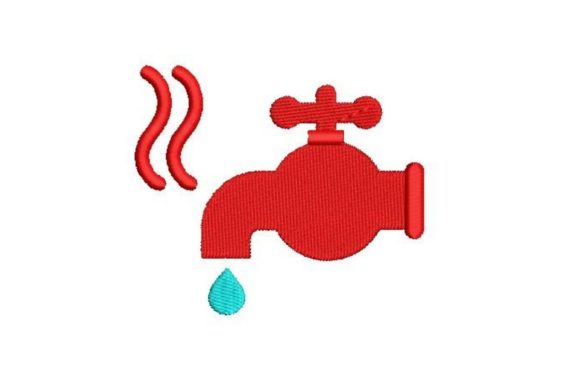
Opening the embroidery file for the first time, I was struck by the clean, minimal aesthetic. The Hot Water Icon feels modern and functional without being cold. It has a subtle farmhouse-friendly charm that works beautifully on bathroom and kitchen linens. The design reads instantly as a hot water indicator, which makes it highly practical for customers who appreciate thoughtful details in their everyday items. This is not an overly decorative or fussy motif. It is the kind of design that communicates purpose and quality. For a craft fair product, that directness is gold.
I classify this as a functional accent design. It does not try to be the star of the show, but it elevates the product it sits on. If you are building a booth around coordinated bathroom sets or kitchen textiles, the Hot Water Icon gives you a consistent visual anchor. It feels intentional, not random.
Where the Hot Water Icon Performs Best on Your Products
Let me walk through the products I would personally stitch this design onto for a weekend craft fair booth. I have tested similar motifs across many surfaces, and I want to share what works.
Tote Bags and Market Bags
An embroidered tote bag is a staple at any handmade market. The Hot Water Icon works well as a small accent near the top edge or as a centered design on a smaller pouch. On a sturdy canvas tote, the design holds its shape and reads clearly. I recommend using a medium hoop size for this application so the icon is large enough to catch the eye from across a booth table. Customers looking for a quick, useful gift will notice the clean look.
Tea Towels and Kitchen Towels
This is where the Hot Water Icon truly shines. Tea towel embroidery is a fast seller, and this design fits perfectly near the bottom hem or centered on a half-fold towel. The design is narrow enough to sit well on a standard tea towel width. I have stitched similar icons on linen and cotton towels, and the result is always crisp. Buyers browsing for hostess gifts or housewarming presents will appreciate the understated utility.
Aprons
An apron with a Hot Water Icon on the front pocket or bib area adds a professional touch. It tells the customer that the maker considered every detail. For a commercial embroidery production run, this design is efficient because it does not require dense stitch areas that slow down the machine. You can batch sew multiple aprons in a single session without worrying about thread breaks or fabric puckering.
Embroidered Patches
Patches are a low-cost, high-margin product for any craft fair. The Hot Water Icon is small enough to fit on a patch backing, and it stitches out cleanly without losing detail. I have seen similar icon patches sell well when paired with other bathroom-themed designs. You can offer a set of patches as a quick add-on sale. Just make sure you test the design on your patch fabric to confirm the thread colors pop against the background.
Caps and Hats
Embroidered caps are a popular impulse buy. The Hot Water Icon on a cap front or side panel works if the design is sized appropriately. Because caps have a curved surface, you need to pay attention to hoop size and stabilizer choice. I recommend testing the design on a scrap cap before committing to a batch. The icon itself is simple enough to avoid distortion, but the curve can affect placement.
Small Pouches and Pillow Covers
Fabric pouches and small pillow covers are excellent for showcasing a single design. The Hot Water Icon sits well as a centered motif on a zippered pouch or a throw pillow. These products photograph nicely for Etsy listings and printable mockups because the design is not too busy. Customers can immediately see the utility and imagine the item in their home.
Practical Selling Points for Your Booth and Online Listings
One of the first things I evaluate in a digital embroidery file is how easy the design is to understand at a glance. The Hot Water Icon passes this test instantly. A customer walking past your booth will recognize the hot water symbol in a split second. That quick recognition builds curiosity and leads to pickup. Once they hold the product, the clean stitching and quality finish do the rest of the selling.
This design works well as both a small accent and a larger focal element. If you sew it at a smaller size on a tea towel, it becomes a subtle detail. If you scale it up for a tote bag or apron, it becomes a confident statement. That flexibility is valuable for a craft fair product because you can offer the same design across multiple price points without changing the embroidery file. Just adjust the hoop size and fabric choice.
For online selling, the Hot Water Icon photographs beautifully. It does not have tiny details that disappear in a listing photo. The clean lines and simple shape mean your Etsy listing images will look sharp even at thumbnail size. I recommend stitching at least one real mockup for your product photos. A physical sample always reads better than a digital rendering. Include a close-up shot that shows the stitch quality, and position the product in a bathroom or kitchen setting to reinforce the context.
When it comes to batch production, this design is a workhorse. The stitch density is moderate, so you can run multiple pieces without frequent needle changes or thread tension adjustments. That matters when you are preparing for a busy craft fair season and need to produce dozens of units in a weekend. The design also works well with standard thread colors. I suggest using a contrasting color that stands out against your base fabric. A white or light cream thread on a dark towel creates a striking look. A bold red or navy thread on a natural linen feels classic and farmhouse.
Careful-Use Notes Before You Start Production
No design review is complete without honest technical feedback. Here are the areas where I recommend caution with the Hot Water Icon.
- Dense stitch areas: While the overall design is not overly dense, check the stitch count on your specific embroidery file. If the icon has tightly packed fill areas, test it on a scrap of your chosen fabric first. Dense stitching can cause puckering on lightweight fabrics like quilting cotton or linen.
- Tiny details and small lettering: The Hot Water Icon does not appear to rely on extremely small details, but always verify at your intended size. If you scale the design down too much, any fine lines may become muddy. I recommend a minimum size of about 1.5 inches wide for clarity.
- Thick fabric and textured towels: Terry cloth towels and thick canvas can absorb stitches and reduce definition. Use a stabilizer with enough body to support the design. A tear-away stabilizer with a topper works well for towels. For canvas, a cut-away stabilizer gives better long-term durability.
- Curved cap surfaces: As mentioned earlier, caps require special attention. The design must be placed carefully to avoid distortion. Use a cap hoop and a firm stabilizer. Test on a practice cap before stitching your inventory.
- Dark fabric: If you are stitching on dark fabric, choose a thread color that provides strong contrast. The design may lose some clarity if the thread blends into the background. A white or metallic thread can create a striking effect on black or navy.
- Smaller sizes: At very small sizes, the icon may lose its shape. Always stitch a sample at your intended size before producing multiple units. Measure the design width and height in your embroidery software and compare it to your hoop size.
How the Hot Water Icon Affects Visual Appeal and Customer Engagement
At a craft fair, you have seconds to capture a shopper's attention. The Hot Water Icon helps you do that by being immediately readable. Customers who are looking for bathroom or kitchen accessories will gravitate toward products that feel purposeful. This design communicates that the item is not just decorative but also functional. That is a strong selling point for handmade products.
I have noticed that designs with a clear utility tend to generate more conversation at the booth. A customer might pick up a tea towel and say, "Oh, this is for hot water, right?" That moment of recognition opens the door to a sale. You can explain that you embroidered it yourself, show them the quality of the stitching, and highlight the matching products you have available. The design supports your brand consistency because it looks professional and cohesive across multiple product types.
For Etsy sellers and small shop product creators, the Hot Water Icon is a strong addition to your design assets. It fills a niche that is often overlooked in the bathroom and kitchen categories. Many embroidery designs focus on flowers, quotes, or whimsical motifs. A functional icon like this stands out because it answers a specific need. Customers who appreciate practical design will seek out your shop.
Practical Embroidery Designer Notes for Production
Before you sew the Hot Water Icon for your next craft fair, here is a checklist I follow for every new embroidery file.
- Test the design on scrap fabric. Always stitch a sample using the exact fabric and stabilizer you plan to use for your finished products. This is non-negotiable. You need to see how the design behaves on your chosen material.
- Check thread contrast. Hold your thread colors next to the fabric in natural light. Make sure the design will be visible from a few feet away. Contrast is especially important for a small icon that needs to be read quickly.
- Review spacing and placement. Mark the center of your product and measure the distance from edges and seams. The Hot Water Icon should sit comfortably without crowding other elements.
- Confirm hoop size. Verify that the design fits within your hoop with adequate margin. If you need to resize, adjust in your embroidery software and test again.
- Inspect stitch density. Look at the stitch map in your software. If any areas look overly dense, consider reducing the stitch count or using a lighter fill pattern. High density can cause fabric distortion and thread breakage.
- Use the right stabilizer. For most applications, a medium-weight tear-away stabilizer works well. For towels and stretchy fabrics, use a cut-away stabilizer. Adding a stabilizer topper can help prevent stitches from sinking into textured fabric.
- Create at least one real mockup. Stitch the design onto the actual product you plan to sell. Photograph it for your Etsy listings and printable mockups. A physical sample builds customer trust and shows the quality of your work.
- Compare fabric colors. If you offer the same product in multiple colors, stitch a sample on each one. The design may look drastically different on a light fabric versus a dark fabric. Adjust thread colors accordingly.
- Confirm commercial licensing. Before you sell any finished products, check the license terms of your embroidery file. Ensure that you have the right to use the design for commercial embroidery. This step protects your business and your reputation.
Final Thoughts on the Hot Water Icon for Your Handmade Business
The Hot Water Icon is a smart, versatile machine embroidery design that deserves a place in your craft fair rotation. It is not flashy, but it does not need to be. Its strength lies in its clarity, practicality, and broad appeal. Whether you are stitching it onto tea towels, tote bags, aprons, patches, or pillow covers, the design performs reliably and looks professional. Buyers will notice the thoughtful detail, and that translates into sales.
As a designer who has reviewed countless embroidery files, I appreciate a design that respects the maker's time and the customer's intelligence. The Hot Water Icon does both. It stitches out efficiently, photographs well, and fits naturally into a bathroom or kitchen product line. If you are preparing for your next craft fair, I recommend adding this design to your production plan. Test it, sample it, and put it on your table. I think you will be pleased with how it sells.