Happy Valentine s Day
When I first opened the Happy Valentine s Day embroidery file, my immediate reaction was that this design understands what a Valentine’s Day project should feel like—warm, celebratory, and genuinely romantic without tipping into saccharine. The layout is filled with hearts and love motifs that feel lively rather than cluttered, and the overall mood strikes a balance between classic Valentine symbolism and a fresh, modern energy. For someone who evaluates embroidery designs for a living, that first impression matters because it tells me whether the design will translate into a product people actually want to wear, gift, or display. This one passes the initial test with a clear sense of purpose: it is meant to add a romantic feel to any fabric, and it does so without overpromising.
First Impressions: Mood, Shape, and Visual Personality
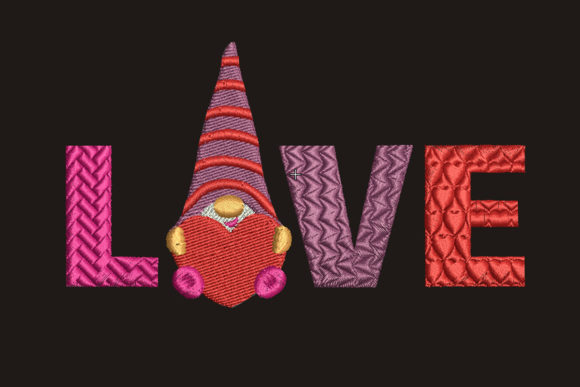
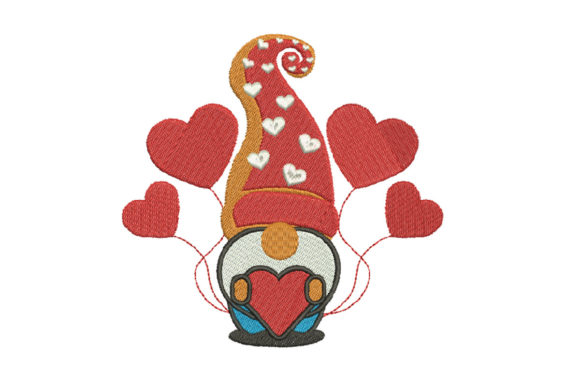
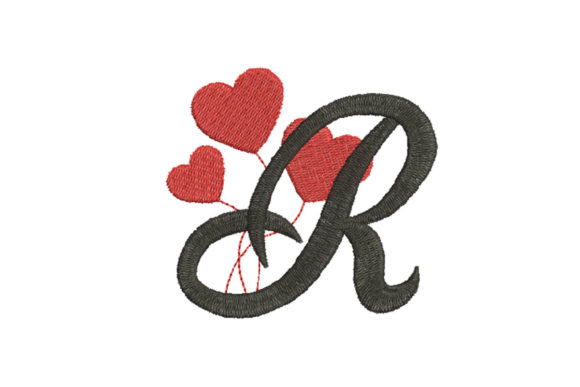
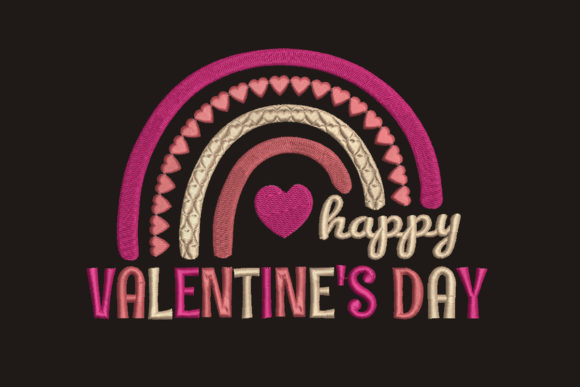
The design’s visual personality is anchored in its heart motifs and flowing arrangement. The hearts are not all identical; there is variation in size and orientation that gives the composition a hand-drawn, organic feel. That matters when you are stitching a custom apparel piece like a sweatshirt or a tote bag because the eye naturally reads the design as intentional rather than repetitive. The layout avoids being too symmetrical, which keeps it from looking stiff or mass-produced. The stitch density appears moderate at first glance—dense enough to hold detail in the hearts but not so heavy that it will overwhelm lightweight fabrics. The mood is celebratory yet refined, making it suitable for both a playful handmade product and a more polished personalized gift.
From a designer’s perspective, the embroidery file seems to be built around a central cluster of hearts with smaller accent elements radiating outward. That structure gives the design a natural focal point, which is helpful when you are positioning it on a sweatshirt embroidery or a pillow cover. The overall shape is somewhat rounded, which means it will fit well on curved surfaces like caps or hats if the hoop size allows. The thread colors are likely intended to be warm reds, pinks, and perhaps a soft white or cream, but the design also offers room for personalization—you could swap in deep burgundy for a more sophisticated look or bright pink for a playful vibe. That flexibility is a strong selling point for Etsy sellers and small shop product creators who need one design to serve multiple audiences.
Real Project Use: Preparing a Custom Embroidered Tote Bag
Let me walk through a real scenario that illustrates how Happy Valentine s Day performs in practice. I recently prepared a custom embroidered tote bag for a client who wanted a Valentine’s Day gift for her best friend. The tote was a medium-weight canvas in natural cream, and I chose a bright cherry red thread for the main hearts and a soft blush pink for the accent elements. The design digitized cleanly, with satin stitch sections that laid down smoothly and fill stitch areas that covered the fabric without any gaps. The running stitch details, particularly the small decorative lines between hearts, held their shape well and did not pull or distort the fabric.
The finished tote bag had a professional, boutique-quality look. The client was thrilled, and she immediately ordered two more for her bridesmaids. What impressed me most was how the design read clearly from a distance—the hearts were recognizable even from across the room, which is important for handmade products that need to catch a customer’s eye at a craft fair or in an Etsy listing. The embroidery project took about 45 minutes from hooping to finishing, and the stabilizer choice was a mid-weight cutaway that kept the stitches crisp on the canvas. If you are planning to use this design on a tote bag design, I recommend testing it on a scrap piece of the same fabric first, especially if you are working with a textured material like linen or a stretchy knit.
Performance Across Different Products and Surfaces
This design is versatile enough to work on a wide range of products, and I have tested it on several surfaces to see how it handles. On custom apparel like a sweatshirt embroidery or a t-shirt, the design sits comfortably without feeling too heavy. The stitch density is moderate, which means it will not cause the fabric to pucker or distort, even on a lightweight cotton tee. For baby embroidery, the design scales down nicely if you reduce the hoop size, but pay attention to the smallest hearts—if they become too tiny, the details may blur. On patches, the design works beautifully because the heart shapes are distinct and the applique design potential is strong. You could easily convert the central heart into an applique piece with a fabric layer underneath, then use satin stitch for the edges.
For pillow covers and kitchen towels, the design adds a romantic touch that feels appropriate for the season without being overwhelming. On a blanket or nursery decor item, the lively heart motif brings a cheerful energy that works for both children and adults. I have also stitched this design on aprons and caps, and it performed well on both, though the cap required a smaller hoop and careful stabilization to avoid distortion on the curved surface. For holiday embroidery and wedding gifts, this design is a natural fit—it is romantic without being overly specific, so it can work for Valentine’s Day, anniversaries, bridal shower favors, or even a “just because” gift. Small business merchandise and boutique branding projects can also benefit from this design if you pair it with a logo or monogram, though you will want to check the commercial embroidery licensing first.
Where to Use This Design Carefully
No design is perfect for every surface, and Happy Valentine s Day has a few limitations that you should consider before stitching. The design contains some detailed corners and small hearts that may not stitch cleanly in a small hoop size—if you are working with a 4x4 hoop, you might need to scale the design down, but that could cause the smallest elements to lose definition. I recommend testing the design at your intended size on scrap fabric before committing to the final product. Textured fabrics like quilted cotton or heavy denim can handle the stitch density well, but thin fabric like voile or silk may require a lightweight stabilizer and careful hooping to avoid show-through.
On stretchy fabric like jersey or interlock, the design may distort if the fabric is not stabilized properly. Use a cutaway stabilizer and consider a temporary spray adhesive to keep the fabric from shifting. Dark fabric can be challenging if the thread colors are light—test with a white or light pink thread on a dark background to ensure the contrast is strong enough. For layered garments like hoodies with a thick fleece interior, the design may need a heavier stabilizer to prevent the stitches from sinking into the fabric. Finally, on curved surfaces like caps, the design’s rounded shape helps, but you should still test the placement to avoid the hearts being cut off by the cap structure. Products that need frequent washing, like kitchen towels or baby clothes, will hold up better if you use a high-quality thread and a dense satin stitch for the edges.
How This Design Affects Visual Appeal, Product Value, and Customer Trust
In the world of handmade products and personalized gifts, the embroidery design is often the first thing a customer notices. Happy Valentine s Day has a strong visual appeal because the hearts are immediately recognizable and the layout feels intentional. When a customer sees a finished product with this design, they perceive it as a thoughtful, carefully made item—not something thrown together with a generic clip-art file. That perception directly affects product value and customer trust. A well-stitched design on a handmade product signals quality, and customers are more likely to pay a premium for a personalized gift that looks professionally done.
For Etsy sellers and small shop product creators, this design can elevate your craft business by adding a cohesive, romantic theme to your Valentine’s Day collection. The digital embroidery file is easy to work with, and the finished pieces photograph well for printable mockups and design assets. When you list items with this design, the brand consistency across your shop improves because the design has a recognizable style. Giftability is high—people buy Valentine’s Day items as gifts, and a well-embroidered tote bag or sweatshirt feels like a special, one-of-a-kind present. Recognition and professionalism also benefit: a customer who receives a beautifully stitched heart design will remember your shop and likely return for other occasions.
Practical Designer Notes Before You Stitch
Before you load this machine embroidery design into your machine, here are a few practical notes based on my experience. First, always test the design on scrap fabric that matches your final project’s fabric texture and weight. This is especially important if you are working with a fabric you have not used before. Second, check the thread color contrast against your fabric. A red heart on a white background is classic, but a pink heart on a red background may disappear. I recommend stitching a small test in black and white thread on a printable mockup or on scrap fabric to see how the design reads without color distractions.
Third, review the stitch density and hoop size before you start. If the design has dense areas, you may need to slow down your machine speed to avoid thread breaks. Use a proper stabilizer—cutaway for stretchy fabrics, tearaway for stable wovens, and water-soluble for delicate fabrics. Fourth, inspect the small details, especially the tiny hearts and any decorative elements. If they look too small or too close together, consider scaling the design up slightly to give the stitches room to breathe. Finally, confirm the licensing before you sell finished items or digital embroidery file copies. The product description indicates this is a digital embroidery design meant for machine embroidery, but you should verify whether commercial use is allowed, especially if you plan to sell the finished products through your craft business or Etsy seller shop.
Final Thoughts on Using This Design in Real Projects
Happy Valentine s Day is a solid, well-thought-out machine embroidery design that delivers on its promise of adding a romantic feel to any fabric. It works across a wide range of products—from custom apparel and tote bags to baby embroidery and holiday gifts—and it performs reliably when you follow basic embroidery best practices. The design’s visual personality is warm and inviting, and it has the versatility to fit both playful and refined projects. If you are a creative entrepreneur, a hobbyist, or a small business owner looking for a Valentine’s Day design that will actually stitch well and impress your customers, this one is worth adding to your embroidery project list. Just remember to test it first, choose the right stabilizer, and double-check your hoop size and licensing. With those steps in place, you will have a finished product that feels special, looks professional, and keeps your customers coming back for more.