Donkey Pole Dancing: An Embroidery Designer's Review
When I first came across the Donkey Pole Dancing machine embroidery design on Creative Fabrica, I’ll admit I was curious. As a professional embroiderer who has stitched thousands of designs for custom apparel, handmade gifts, and Etsy listings, I’ve learned to look past the initial “cute factor” and evaluate a design for real-world performance. This review is my honest assessment of Donkey Pole Dancing after considering it for my own commercial embroidery projects, including tote bags, sweatshirts, kitchen towels, and personalized gifts. I’ll walk through the visual appeal, stitch-out behavior, practical considerations, and how this design can affect the value of your finished products.
First Impressions: Mood and Detail Level
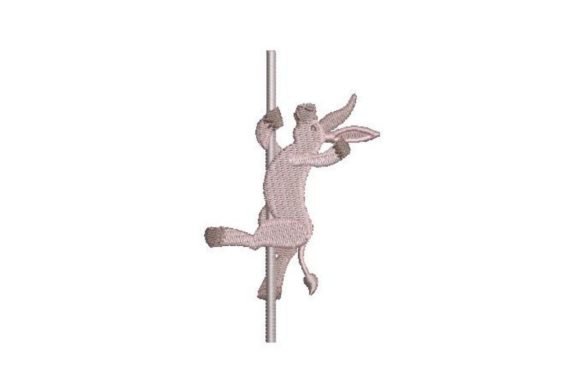
The Donkey Pole Dancing design immediately struck me as playful and cheeky, with a clear Farm Animals theme that still feels modern and versatile. The donkey is posed in a dynamic, almost humorous stance, which makes it a conversation starter. The line art appears to use a mix of satin stitch for the main body outlines and fill stitch for the interior areas, giving it a clean, dimensional look. The overall mood is lighthearted and whimsical, perfect for boutique merchandise, craft fair products, or as a fun detail on a child’s apron or a kitchen towel. The detail level is moderate—not overly dense, but with enough character to stand out on a cap or a small patch. I was immediately thinking about how it would look on a bright-colored sweatshirt or a neutral tote bag design.
Stitching Personality: What to Expect in the Hoop
Based on the preview, Donkey Pole Dancing uses a combination of satin stitch and fill stitch areas. The satin stitch outlines should give the design a crisp, professional edge, while the fill stitch in the body provides texture. The running stitch details (like the mane or tail) add movement. I’ve learned that designs with a good balance of stitch types hold up well on different fabrics. The stitch density appears moderate, which is important for avoiding puckering on lighter fabrics. However, I always recommend testing on scrap fabric first—especially with a design like this, where the pole and the donkey’s legs create small, delicate areas that could shift if the stabilizer isn’t right.
Real Project Performance: Where This Design Shines
After reviewing the Donkey Pole Dancing embroidery file, I can see it performing beautifully on several product types:
- Custom apparel – A centered design on a sweatshirt or a left-chest logo on a tee would be striking. The vertical orientation of the pole and the donkey’s pose makes it ideal for back-of-jacket placements or on the front of a baby onesie.
- Tote bag design – The size and shape fit nicely on a standard canvas tote. The playful theme would appeal to shoppers looking for unique, handmade products.
- Embroidered patch – With a satin stitch border, this could be turned into a patch for caps, jackets, or denim. The low-to-moderate stitch density keeps it flexible.
- Kitchen and home textiles – Aprons, pillow covers, and kitchen towels would all benefit from the whimsical mood. The design’s details are simple enough to remain readable after repeated washing.
- Personalized gifts – Adding a name or monogram alongside the design could increase its giftability. I’d suggest placing the text in a clean, sans-serif font to avoid competition with the donkey’s details.
Hoop Size and Small Details
One of the first things I check is the hoop size and whether the design contains tiny lettering or very fine details. The Donkey Pole Dancing design, from what I can see, does not have micro-lettering, but the pole and the donkey’s legs are narrow. If you’re working with a small hoop (like 4x4), you’ll want to confirm the original dimensions on the product page. The design description says it comes with multiple embroidery file formats, so you can likely adjust the size in your embroidery software—but resizing may change stitch density. Always test a scaled version on scrap fabric before stitching a final product.
Dense Stitch Areas and Fabric Selection
The fill stitch areas in the donkey’s body could be moderately dense. On lightweight fabrics like cotton or polyester blends, this can cause puckering if the stabilizer isn’t sufficient. I recommend using a tear-away stabilizer for stable woven fabrics and a cut-away stabilizer for knits or stretchy fabrics. If you’re stitching on a sweatshirt embroidery project, the fabric’s stretch can pull the design out of shape. A fusible stabilizer or a topper can help maintain crisp stitches. For dark fabric, check the thread color contrast—the design likely uses dark brown or black outlines, which will pop nicely on light backgrounds but may need a white or light underlay if stitched on dark fabric.
Curved Surfaces: Caps and Patches
For embroidered patch production or cap embroidery, the Donkey Pole Dancing design’s vertical orientation actually works well. The long pole can be aligned with the cap’s front panel shape. However, the small details in the donkey’s face might be lost on a heavily curved cap if the design is too large. I suggest limiting the height to about 2 inches for caps. For patches, a satin stitch border around the entire design will give it a finished edge. The moderate stitch density means the patch won’t be too stiff, which is good for sewing onto bags or jackets.
How This Design Affects Product Value and Buyer Trust
In the world of handmade products and Etsy listings, the quality of your embroidery directly impacts perceived value. A well-stitched Donkey Pole Dancing design on a personalized gift or a tote bag design signals attention to detail. The playful theme appeals to a niche audience looking for unique, humorous designs—this can set your products apart from generic farm animal patterns. However, a poorly executed stitch-out (with gaps, puckers, or misaligned colors) can undermine buyer trust. That’s why I always stress testing the embroidery file on your specific fabric and machine before listing.
For commercial embroidery projects, consistency is key. If you’re producing multiple items for a craft fair or a boutique order, you need the design to stitch reliably every time. The Donkey Pole Dancing design, with its moderate stitch count and clear outlines, is likely to be forgiving. But I still recommend checking the stitch density in your software. If it exceeds 7-8 stitches per mm in the fill areas, consider reducing the density or using a lighter thread weight to avoid thread breaks.
Practical Embroidery Notes for Real Results
- Always test on scrap fabric that matches your final product. Use the same stabilizer, thread, and needle you plan to use.
- Check thread color contrast against your fabric. Light fabric? Dark thread works. Dark fabric? Use a lighter thread or add a white underlay.
- Review the stitch density in your embroidery software. If the design has dense areas, reduce density slightly to prevent puckering.
- Confirm the hoop size before hooping. The design may require a 5x7 hoop or larger. If you only have a 4x4, check if the file can be resized without losing quality.
- Compare light and dark fabric mockups. A printable mockup of the design on a white shirt versus a black shirt can help you decide on thread colors.
- Use proper stabilizer: tear-away for stable wovens, cut-away for knits, and water-soluble topper for terry or fleece.
- Inspect small details after stitching—especially the pole and the donkey’s legs. If any stitches are skipped, adjust your machine’s tension or re-hoop with more tension.
- Before selling finished products, confirm the file details and licensing on the Creative Fabrica product page. The description says the design comes with multiple embroidery file formats, but ensure you have the correct format for your machine. Also check the license terms: many Creative Fabrica designs allow commercial use, but always verify whether you need to attribute or if there are any limits on the number of items you can sell.
Final Thoughts on Donkey Pole Dancing for Your Embroidery Projects
After walking through the visual appeal, practical stitching behavior, and commercial potential, I believe Donkey Pole Dancing is a solid addition to a machine embroidery design library—especially if you cater to customers who appreciate humor and whimsy. It’s versatile enough for custom apparel, tote bags, sweatshirt embroidery, and even embroidered patches. The design’s satitn stitch outlines and fill stitch body give it a classic, clean look that should stitch out reliably on most fabrics with proper preparation.
As with any digital embroidery file, your success will depend on testing, stabilizing, and adjusting for your specific materials. The Farm Animals category is popular, but this design’s unique pose makes it stand out. I’d recommend downloading it from Creative Fabrica, running a test stitch-out, and then deciding if it fits your brand’s aesthetic. With the right preparation, Donkey Pole Dancing can become a fun, profitable addition to your handmade product line. Happy stitching!